

This seems like a long time to get to market and by then the current leaders in smartphone chips (Nvidia and Qualcomm) would seem likely to have far better offerings.
Enric Herrero, a research scientist at Intel Labs in Barcelona, said the lab is working on finding new ways to use and manage many cores in mobile devices.
Today, some small mobile devices use multi-core chips. However, those multi-cores might be dual- or quad-core CPUs working with a few GPUs. Having a 48-core chip in a small mobile device would open up a whole new world of possibilities.
Justin Rattner, Intel’s CTO, told Computerworld that a 48-core chip for small mobile devices could hit the market “much sooner” than the researchers’ 10-year prediction.
“I think the desire to move to more natural interfaces to make the interaction much more human-like is really going to drive the computational requirements,” he said. “Having large numbers of cores to generate very high performance levels is the most energy efficient way to deliver those performance levels.”

Intel is working on a cloud computing chip
Rattner said functions such as speech recognition and augmented reality will push the need for more computational power.
“If it’s doing speech recognition or computer vision… that’s very computational intensive,” he added. “It’s just not practical to just take sound and pictures and send it up to the cloud and expect that some server is going to perform those tasks. So a lot of that will be pushed out to the client devices.”
Rob Enderle, an analyst with the Enderle Group, said being able to have different device functions, as well as apps all running on their own cores would be a great advance.
If you liked this article, please give it a quick review on ycombinator or StumbleUpon. Thanks
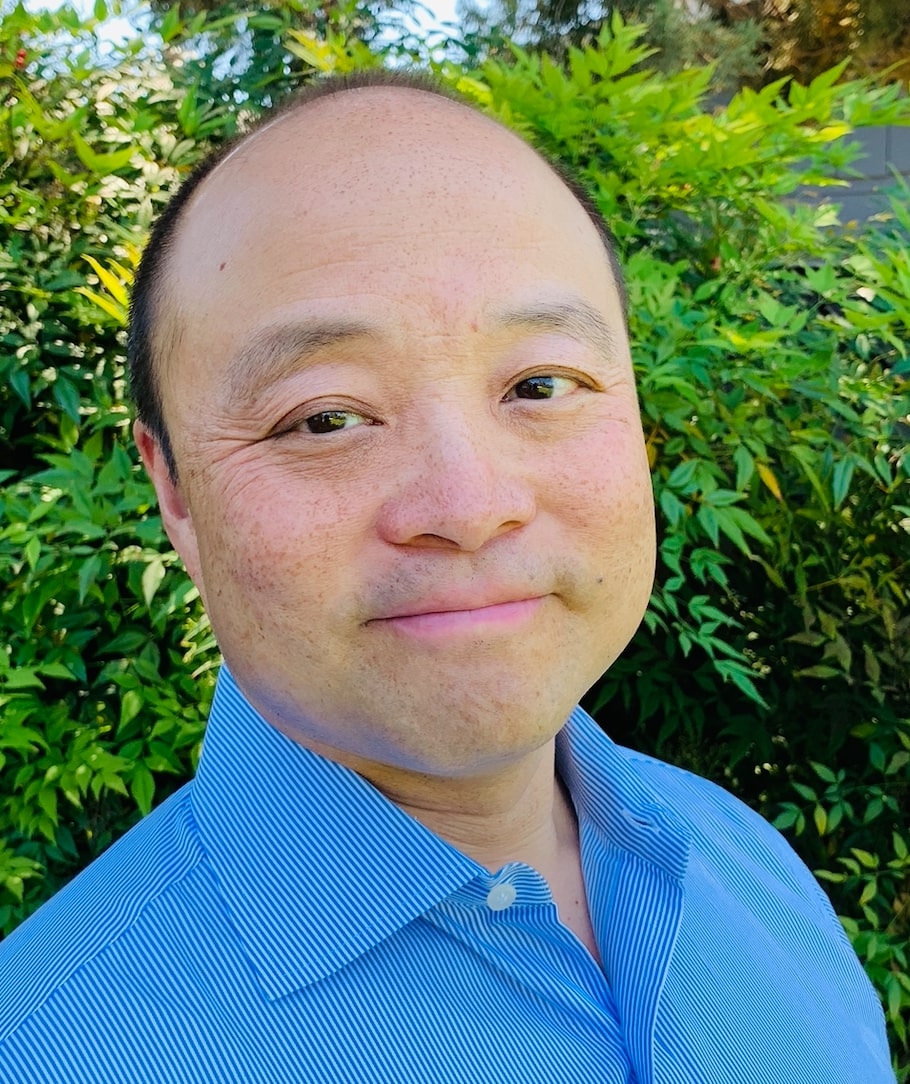
Brian Wang is a Futurist Thought Leader and a popular Science blogger with 1 million readers per month. His blog Nextbigfuture.com is ranked #1 Science News Blog. It covers many disruptive technology and trends including Space, Robotics, Artificial Intelligence, Medicine, Anti-aging Biotechnology, and Nanotechnology.
Known for identifying cutting edge technologies, he is currently a Co-Founder of a startup and fundraiser for high potential early-stage companies. He is the Head of Research for Allocations for deep technology investments and an Angel Investor at Space Angels.
A frequent speaker at corporations, he has been a TEDx speaker, a Singularity University speaker and guest at numerous interviews for radio and podcasts. He is open to public speaking and advising engagements.