
The cost estimates for phase one of California High Speed rail increased to between $98.1 billion and $117.6 billion—of which approximately $12.5 billion has been secured. Although the Authority identifies the federal government as its largest potential funding source, the plan provides few details about how it expects to secure this money. The cost estimates do not include phase one’s operating and maintenance costs, yet based on data in the plan these costs could total approximately $96.8 billion from 2025 through 2060.
The State will only be receiving profits for the first two years of operation in 2022 and 2023, and will potentially not receive profits again until 2060 in exchange for the almost $11 billion it assumes it will receive from the private sector.
The 800 mile system could end up costing over $260 million per mile, if there are no cost overruns through 2033 and ridership does not disappoint from 2025 through 2060.
The ridership model the Authority presents in its 2012 draft business plan assumes an average ticket price of $81 and projects that passengers will take a total of 29 to 43 million annual trips by the completion of phase one. However, when the Authority’s chief executive officer commissioned a ridership review group to independently assess the ridership projections, he handpicked the group’s members, which may call into question the independent nature of their assessment. Further, although the ridership review group determined that the ridership model was suitable for use in the 2012 draft business plan, the group presented several long-term concerns, such as potential biases in the survey data used in the model’s development. The ridership review group’s August 2011 report implied that if the Authority does not address these long-term concerns, the model may only be useful for projecting ridership for the operating section and not for the program’s remaining sections.
If you liked this article, please give it a quick review on ycombinator or StumbleUpon. Thanks
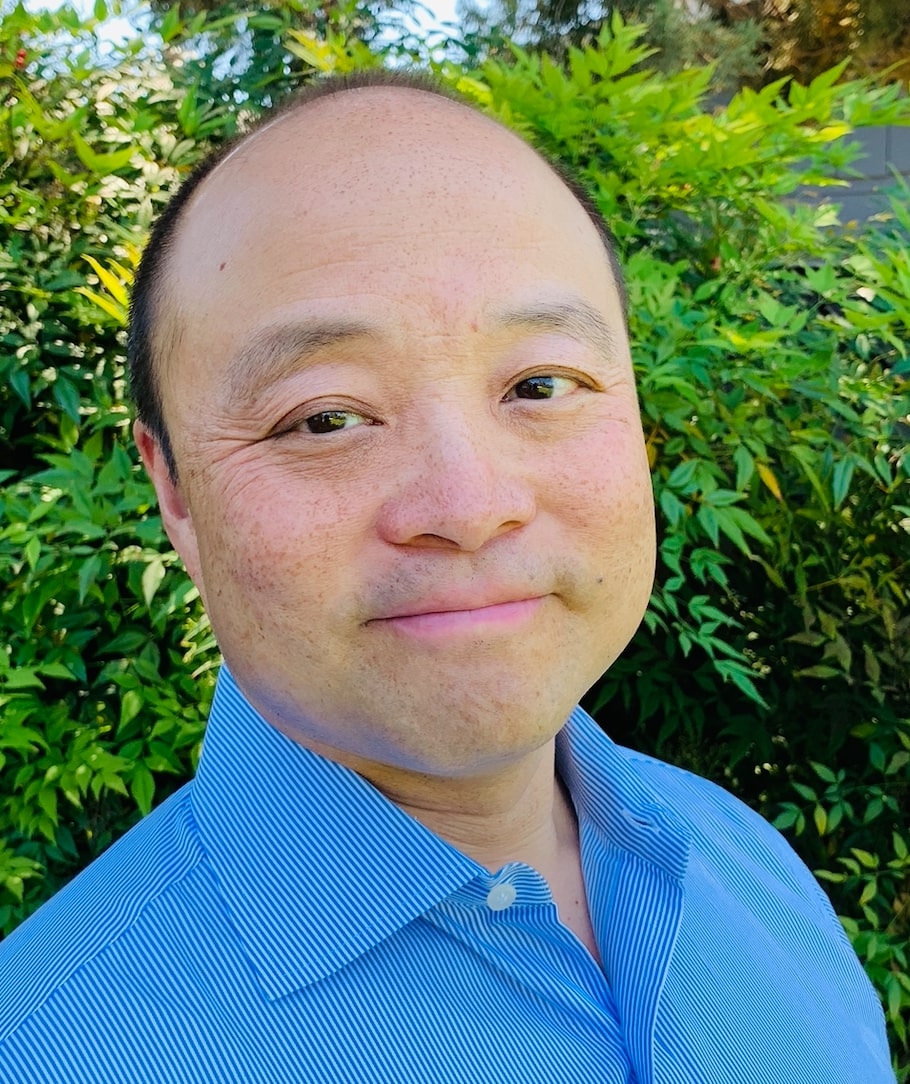
Brian Wang is a Futurist Thought Leader and a popular Science blogger with 1 million readers per month. His blog Nextbigfuture.com is ranked #1 Science News Blog. It covers many disruptive technology and trends including Space, Robotics, Artificial Intelligence, Medicine, Anti-aging Biotechnology, and Nanotechnology.
Known for identifying cutting edge technologies, he is currently a Co-Founder of a startup and fundraiser for high potential early-stage companies. He is the Head of Research for Allocations for deep technology investments and an Angel Investor at Space Angels.
A frequent speaker at corporations, he has been a TEDx speaker, a Singularity University speaker and guest at numerous interviews for radio and podcasts. He is open to public speaking and advising engagements.