

A game-changing Optical Cavity Furnace has been developed by the U.S. Department of Energy’s National Renewable Energy Laboratory uses optics to heat and purify solar cells at unmatched precision while sharply boosting the cells’ efficiency.
NREL researchers continue to improve the furnace and expect it to be able soon to hike the efficiency by 4 percentage points, a large leap in an industry that measures its successes a half a percentage point at a time. “Our calculations show that some material that is at 16 percent efficiency now is capable of reaching 20 percent if we take advantage of these photonic effects,” NREL Principal Engineer Bhushan Sopori said. “That’s huge.”
Meanwhile, NREL and its private-industry partner, AOS Inc., are building a manufacturing-size Optical Cavity Furnace capable of processing 1,200 wafers an hour.

The cavity inside the Solar Optical Furnace glows white hot during a simulated firing of a solar cell. Credit: Dennis Schroeder
At about a quarter to half the cost of a standard thermal furnace, the OCF is poised to boost the solar cell manufacturing industry in the United States by helping produce solar cells with higher quality and efficiency at a fraction of the cost.
The furnace’s process times also are significantly shorter than conventional furnaces. The Optical Cavity Furnace takes only a few minutes to process a solar wafer
If you liked this article, please give it a quick review on ycombinator or StumbleUpon. Thanks
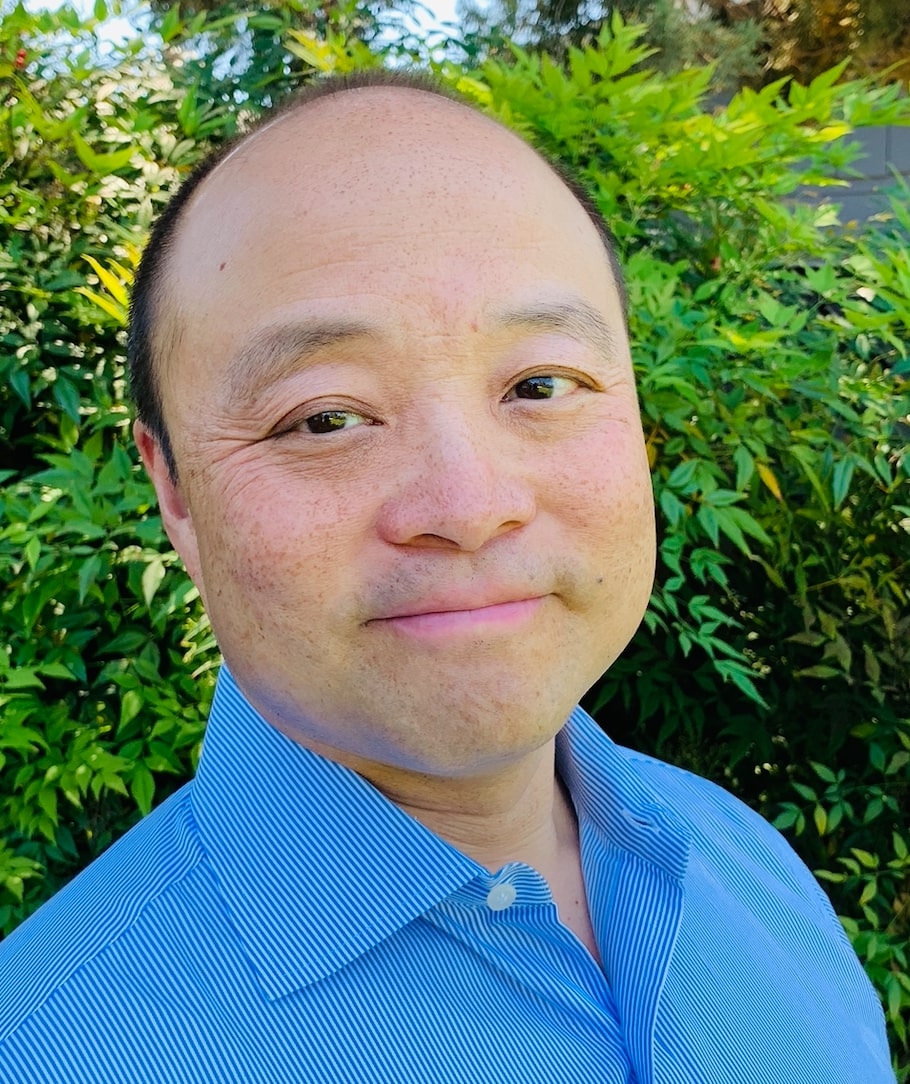
Brian Wang is a Futurist Thought Leader and a popular Science blogger with 1 million readers per month. His blog Nextbigfuture.com is ranked #1 Science News Blog. It covers many disruptive technology and trends including Space, Robotics, Artificial Intelligence, Medicine, Anti-aging Biotechnology, and Nanotechnology.
Known for identifying cutting edge technologies, he is currently a Co-Founder of a startup and fundraiser for high potential early-stage companies. He is the Head of Research for Allocations for deep technology investments and an Angel Investor at Space Angels.
A frequent speaker at corporations, he has been a TEDx speaker, a Singularity University speaker and guest at numerous interviews for radio and podcasts. He is open to public speaking and advising engagements.