
Nine years after getting gene therapy for a rare, inherited immune system disorder often called “bubble boy disease,” 14 out of 16 children are doing well. The children were born with severe combined immunodeficiency disease (SCID). They got an experimental gene therapy in the U.K. A new report shows that nine years later, 14 of the 16 children had working immune systems and were leading normal lives.
Children with SCID carry genetic defects that prevent their immune systems from working. Without treatment, most die from infection in their first two years of life.
For decades, the treatment has been to get transplants of blood-forming stem cells from the bone marrow of matched siblings or other donors who have healthy immune systems.
Such transplants can effectively cure the disorder. But only about one in five children with SCID have a perfectly matched donor.
Bone marrow from partially matched donors can also be used. But those mismatched transplants are much more risky. About one in three children who have them die from the procedure.
Lessons learned from the SCID trials have spurred studies to find effective gene-based treatments for other blood cell diseases, including sickle cell anemia.
“Twenty years ago, nothing was working,” Kohn says. “Ten years ago, these treatments started to work, but with complications. The hope is that the next decade will bring highly effective treatments with few complications.”
If you liked this article, please give it a quick review on ycombinator or StumbleUpon. Thanks
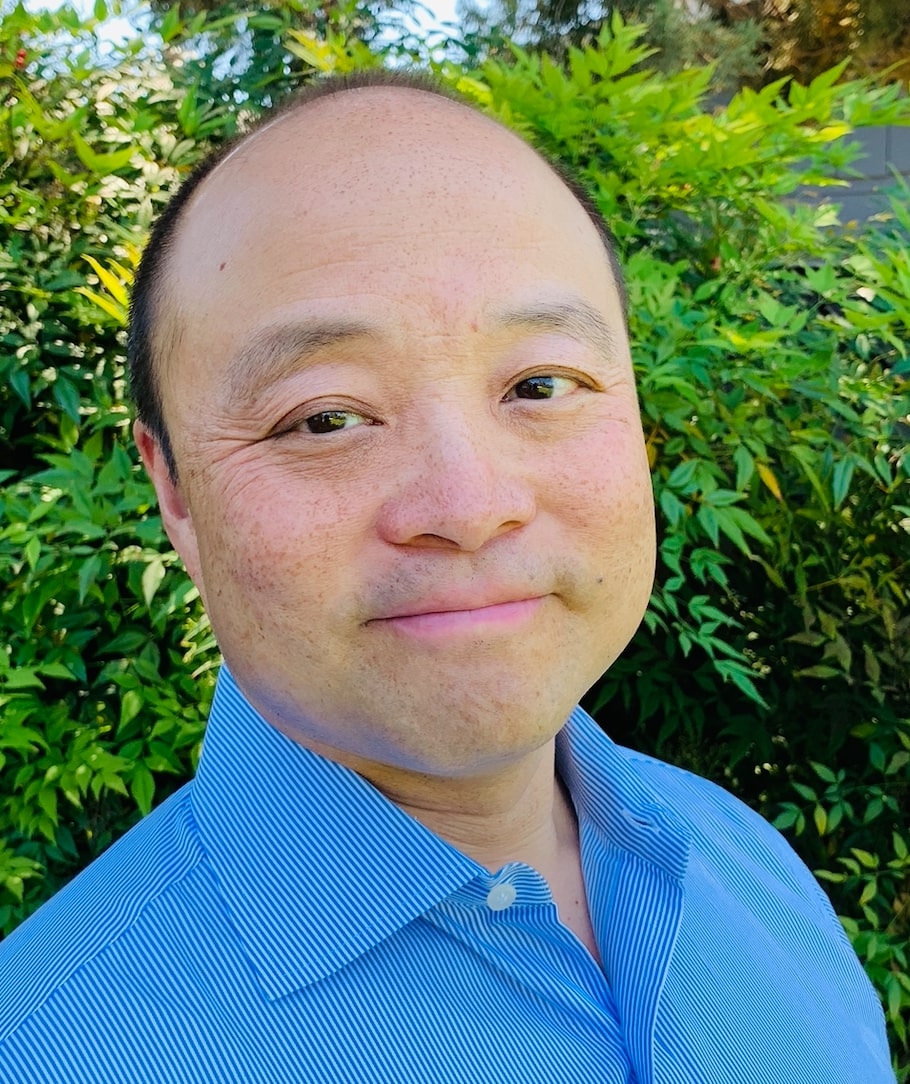
Brian Wang is a Futurist Thought Leader and a popular Science blogger with 1 million readers per month. His blog Nextbigfuture.com is ranked #1 Science News Blog. It covers many disruptive technology and trends including Space, Robotics, Artificial Intelligence, Medicine, Anti-aging Biotechnology, and Nanotechnology.
Known for identifying cutting edge technologies, he is currently a Co-Founder of a startup and fundraiser for high potential early-stage companies. He is the Head of Research for Allocations for deep technology investments and an Angel Investor at Space Angels.
A frequent speaker at corporations, he has been a TEDx speaker, a Singularity University speaker and guest at numerous interviews for radio and podcasts. He is open to public speaking and advising engagements.