
Arxiv – Spontaneous electromagnetic superconductivity of vacuum in strong magnetic fi eld: an evidence from the Nambu{Jona-Lasinio model The required magnetic field dwarfs even the most magnetic things in the universe today – neutron stars called magnetars, which boast fields of up to 10^11 Tesla.
Using an extended Nambu{Jona-Lasinio model as a low energy e ffective model of QCD, we support our earlier proposal that the QCD vacuum in a strong external magnetic fi eld (stronger than 10^16 Tesla) experiences a spontaneous phase transition to an electromagnetically superconducting state. The unexpected superconductivity of, basically, empty space is induced by emergence of quark-antiquark vector condensates with quantum numbers of electrically charged rho mesons. The superconducting phase possesses an anisotropic inhomogeneous structure similar to a periodic Abrikosov lattice in a type-II superconductor. The superconducting vacuum is made of new type of vortices which are topological defects in the charged vector condensates. The superconductivity is realized along the axis of the magnetic fi eld only. We argue that this e ect is absent in QED.
Magnetic fields of the required strength might have existed in the early universe. If that led to superconductivity, then the currents produced might have had some effect on cosmic structure, says Kharzeev. But he adds that the high temperatures at the time may have destroyed the effect.
Today, such magnetic fields might appear fleetingly in Brookhaven’s Relativistic Heavy Ion Collider or at the Large Hadron Collider near Geneva, Switzerland. Researchers now plan to search their data for hints of the phenomenon.
If you liked this article, please give it a quick review on ycombinator or StumbleUpon. Thanks
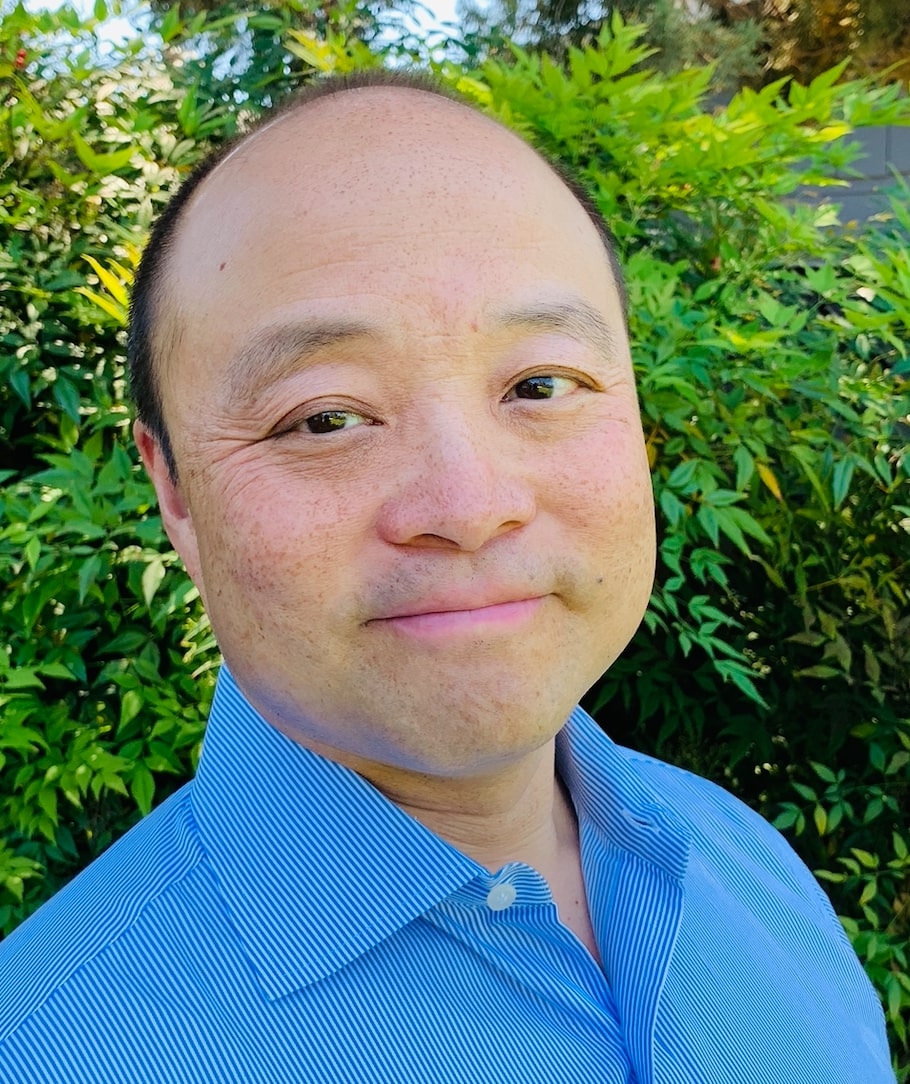
Brian Wang is a Futurist Thought Leader and a popular Science blogger with 1 million readers per month. His blog Nextbigfuture.com is ranked #1 Science News Blog. It covers many disruptive technology and trends including Space, Robotics, Artificial Intelligence, Medicine, Anti-aging Biotechnology, and Nanotechnology.
Known for identifying cutting edge technologies, he is currently a Co-Founder of a startup and fundraiser for high potential early-stage companies. He is the Head of Research for Allocations for deep technology investments and an Angel Investor at Space Angels.
A frequent speaker at corporations, he has been a TEDx speaker, a Singularity University speaker and guest at numerous interviews for radio and podcasts. He is open to public speaking and advising engagements.