

Ad Support : Nano Technology Netbook Technology News Computer Software

A maglev train leaves Shanghai Pudong International Airport heading to the city. Plans to extend the line to Hangzhou were stalled by protests.
The escalating costs and lack of transparency in how taxpayers’ money is spent is fueling some ardent opposition. The authorities are looking at an estimated bill of 22 billion yuan, while analysts say the Pudong maglev line, which has received 10 billion yuan in government funds, has yet to make a profit.
Critics cited the reaction to the Wuhan-Guangzhou high-speed link, which opened late last year to a chorus of complaints from poor migrant workers – the majority rely on China’s rail network during the annual Spring Festival holidays – that tickets are “too expensive”, the service is “unnecessary” and that many cheaper, slower services had been cancelled. (Officials in Guangzhou, capital of Guangdong province, recently said trains on the high-speed like are running at 70-percent capacity).
China now does not rely entirely on imports for maglevs and can produce parts needed for maglev lines, experts say the cost of manufacturing them is only 1.5 times that of high-speed lines.
* Maglevs are not noisier than conventional trains, as the airborne noise level from a maglev traveling 400 km/h is similar to that of a high-speed train traveling 300 km/h
* high-speed road and rail links could steal up to 30 percent of all airline passengers.
* Maglevs run on electric power that could be produced from renewable energy, while planes burn fossil fuels
If you liked this article, please give it a quick review on Reddit, or StumbleUpon. Thanks
Supporting Advertising
Business Success
How to Make Money
Executive Jobs
Paid Surveys
Thank You
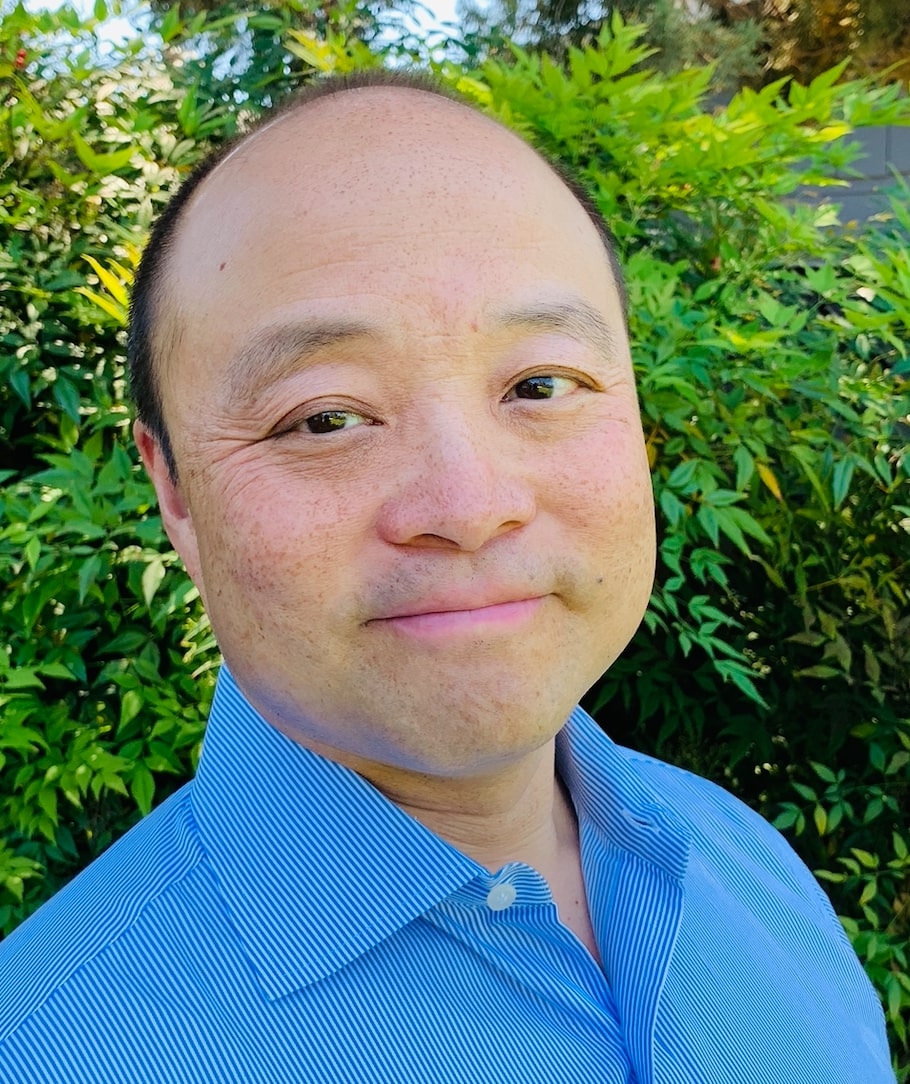
Brian Wang is a Futurist Thought Leader and a popular Science blogger with 1 million readers per month. His blog Nextbigfuture.com is ranked #1 Science News Blog. It covers many disruptive technology and trends including Space, Robotics, Artificial Intelligence, Medicine, Anti-aging Biotechnology, and Nanotechnology.
Known for identifying cutting edge technologies, he is currently a Co-Founder of a startup and fundraiser for high potential early-stage companies. He is the Head of Research for Allocations for deep technology investments and an Angel Investor at Space Angels.
A frequent speaker at corporations, he has been a TEDx speaker, a Singularity University speaker and guest at numerous interviews for radio and podcasts. He is open to public speaking and advising engagements.
