
Called Object Recognition via Brain-Inspired Technology (ORBIT), the system will use electro-optical (EO), light detection and ranging (LIDAR), and brain-inspired technologies to automatically recognize objects in urban environments from ground and aerial surveillance. ORBIT will fuse commercial airborne EO and LIDAR sensor data into a three-dimensional, photorealistic model of the landscape. Its brain-inspired object-recognition technology will automatically generate lists of recognizable imagery, like mailboxes and dumpsters.
“ORBIT’s automated, 3D, object-recognition capability will help eliminate the time analysts spend manually identifying objects,” said Dr. Peter Bilazarian, ORBIT program manager, Lockheed Martin Advanced Technology Laboratories (ATL). “We think ORBIT will reduce analysis time of one square kilometer of imagery from 1,300 hours to less than 10 hours. Faster turnaround time for analysts means more timely and accurate mission planning.”
Central to ORBIT are three complementary brain-inspired and machine- learning approaches to object recognition: Numenta’s Hierarchical Temporal Memory technology, which performs invariant pattern learning based on a model of the brain’s neocortex; a standard model of the brain’s visual cortex for spatial recognition; and a computer-vision technology, which mimics the process of human vision and recognition.
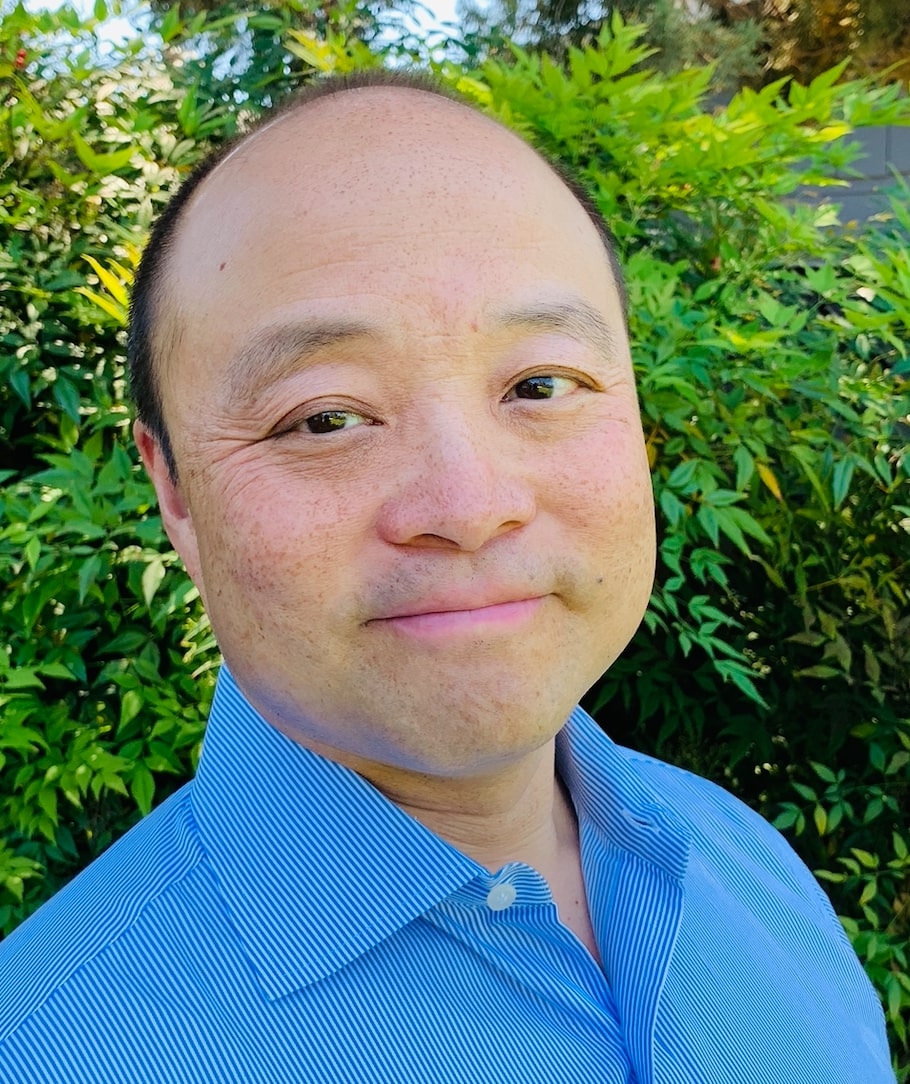
Brian Wang is a Futurist Thought Leader and a popular Science blogger with 1 million readers per month. His blog Nextbigfuture.com is ranked #1 Science News Blog. It covers many disruptive technology and trends including Space, Robotics, Artificial Intelligence, Medicine, Anti-aging Biotechnology, and Nanotechnology.
Known for identifying cutting edge technologies, he is currently a Co-Founder of a startup and fundraiser for high potential early-stage companies. He is the Head of Research for Allocations for deep technology investments and an Angel Investor at Space Angels.
A frequent speaker at corporations, he has been a TEDx speaker, a Singularity University speaker and guest at numerous interviews for radio and podcasts. He is open to public speaking and advising engagements.