
According to a recent study, the uneven distribution of wealth in a society appears to be a universal law (Gibbs distribution for the poorer 90% and pareto distribution for the top 10%) that holds true for economies in many different societies, from ancient Egypt to modern Japan and the U.S. This distribution may reflect a simple natural law analogous to a 100-year-old theory describing the distribution of energy in a gas.

“While the distribution of the richest 10% does indeed follow a different behavior (power law) than the rest (Gibbs or log-normal), one need not assume different dynamics at work in the two cases,” Chatterjee explained to PhysOrg.com. “In fact, both types of distributions can arise from the same model. In the case of the random savings model, the agents having the highest savings fractions will have a higher probability of ending up in the richest 10% of the population, while in the random thrift model, the agents with higher thrift value generally tend to be the richest.
Aside from these general models, the scientists also discovered some interesting details within their results. When comparing wealth (i.e. one’s net worth) with income, they found that wealth is much more unequally distributed than income (wealth models always have lower Pareto exponents, for any society). Also, while most of the data for the models is based on individuals, data from companies also seemed to follow the same models.
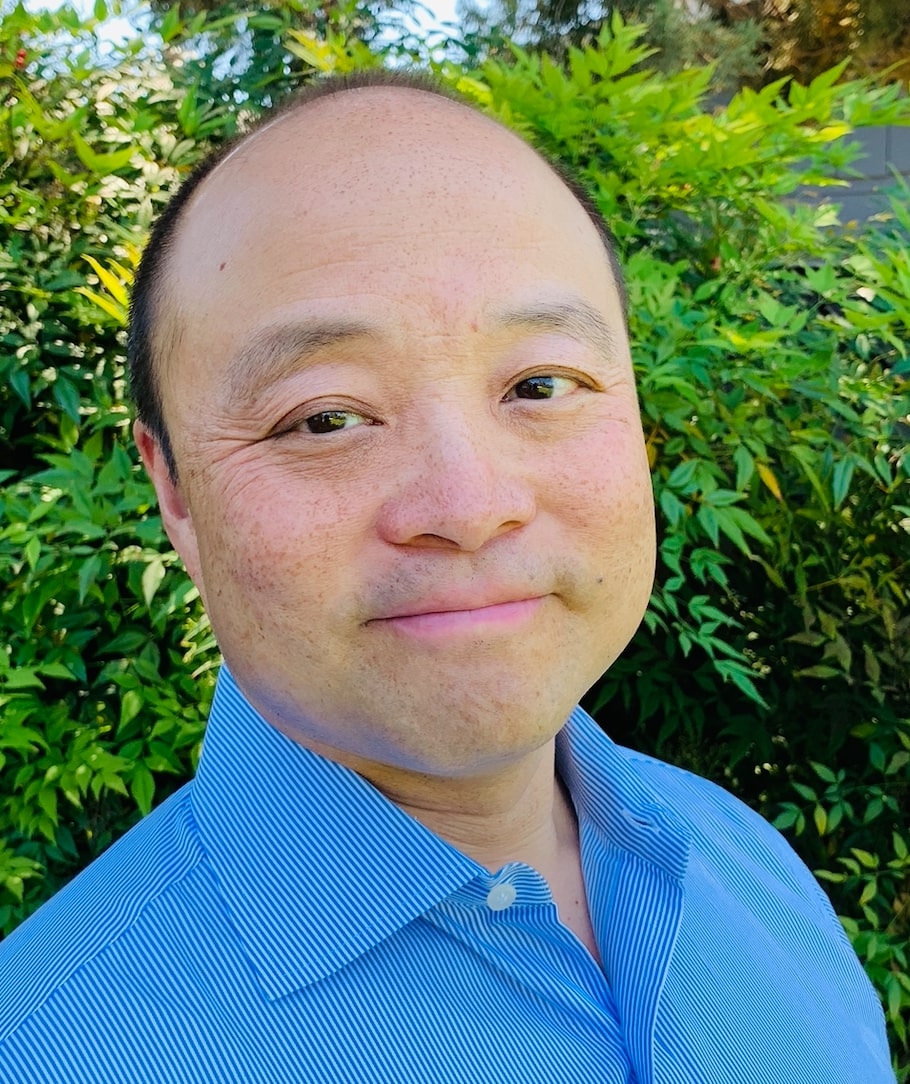
Brian Wang is a Futurist Thought Leader and a popular Science blogger with 1 million readers per month. His blog Nextbigfuture.com is ranked #1 Science News Blog. It covers many disruptive technology and trends including Space, Robotics, Artificial Intelligence, Medicine, Anti-aging Biotechnology, and Nanotechnology.
Known for identifying cutting edge technologies, he is currently a Co-Founder of a startup and fundraiser for high potential early-stage companies. He is the Head of Research for Allocations for deep technology investments and an Angel Investor at Space Angels.
A frequent speaker at corporations, he has been a TEDx speaker, a Singularity University speaker and guest at numerous interviews for radio and podcasts. He is open to public speaking and advising engagements.