
A map of the mouse brain down to details of individual cells has been completed, the first project of an institute funded by Microsoft Corp. co-founder Paul G. Allen Because more than 90 percent of the same genes are found in mice and humans, the mouse brain map can be compared with genetic findings related to human neurological disorders. The mapping project has shown that 80 percent of the body’s genes are switched on in the brain, compared with 60 percent to 70 percent in previous scientific estimates, Jones said.
Allen donated $100 million to start the lab in 2003 and the mouse brain atlas cost $41 million, well under the $50 million that had been budgeted, Jones said.
The next project, Jones said, will be to develop a digital, three-dimensional, interactive map of the genes at work in a human brain’s neocortex, the outer layer that is the seat of higher thought and emotion, using brains from cadavers as well as tissue removed during brain surgeries.
Scientists hope the brain-mapping research eventually will lead to new discoveries on brain function and disorders such as MS, Alzheimer’s and Parkinson’s diseases, epilepsy, schizophrenia and addiction, to cite just a few. Next is figuring out the circuitry and how the brain actually works.”
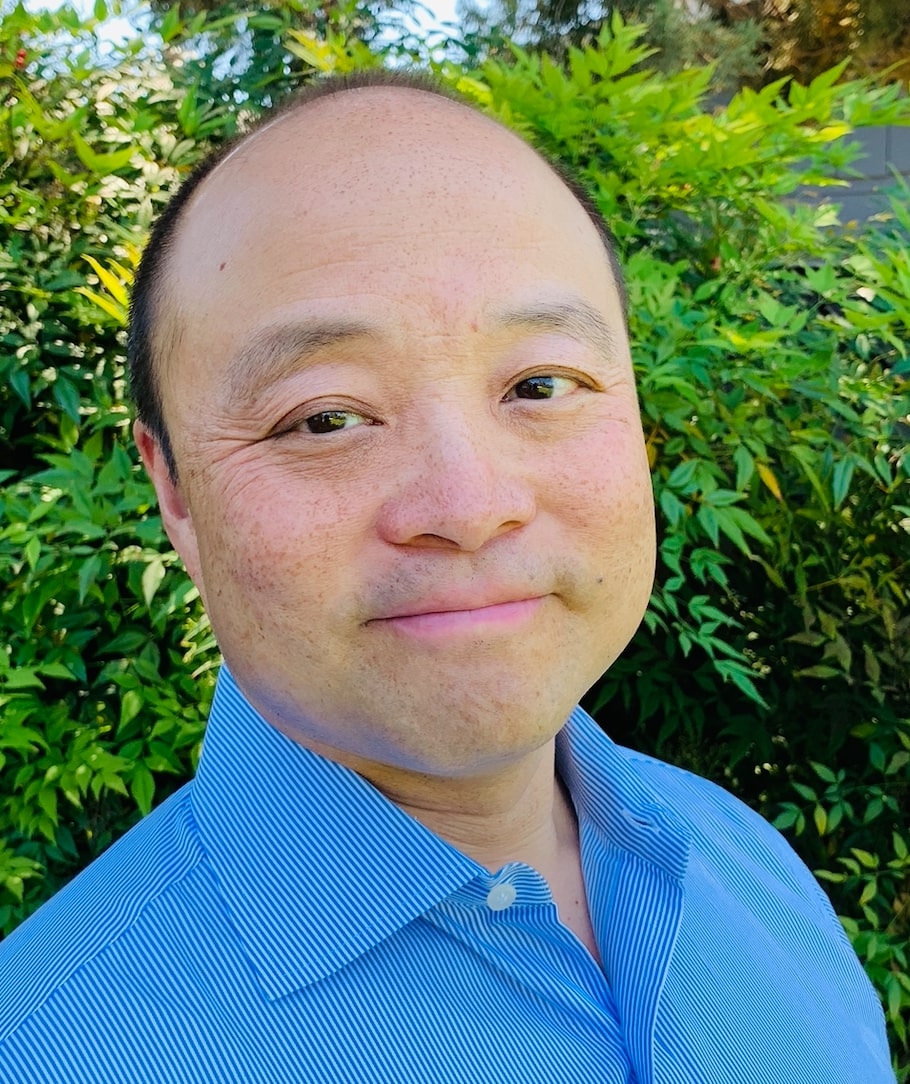
Brian Wang is a Futurist Thought Leader and a popular Science blogger with 1 million readers per month. His blog Nextbigfuture.com is ranked #1 Science News Blog. It covers many disruptive technology and trends including Space, Robotics, Artificial Intelligence, Medicine, Anti-aging Biotechnology, and Nanotechnology.
Known for identifying cutting edge technologies, he is currently a Co-Founder of a startup and fundraiser for high potential early-stage companies. He is the Head of Research for Allocations for deep technology investments and an Angel Investor at Space Angels.
A frequent speaker at corporations, he has been a TEDx speaker, a Singularity University speaker and guest at numerous interviews for radio and podcasts. He is open to public speaking and advising engagements.
Comments are closed.