
Physicists at the National Institute of Standards and Technology (NIST) have designed and built a novel electromagnetic trap for ions that could be easily mass produced to potentially make quantum computers large enough for practical use. The new trap, described in the June 30 issue of Physical Review Letters,* may help scientists surmount what is currently the most significant barrier to building a working quantum computer–scaling up components and processes that have been successfully demonstrated individually. The new NIST trap is the first functional ion trap in which all electrodes are arranged in one horizontal layer, a “chip-like” geometry that is much easier to manufacture than previous ion traps with two or three layers of electrodes. The new trap, which has gold electrodes that confine ions about 40 micrometers above the electrodes, was constructed using standard microfabrication techniques.
NIST scientists report that their single-layer device can trap a dozen magnesium ions without generating too much heat from electrode voltage fluctuations–also an important factor, because heating has limited the prospects for previous small traps. Microscale traps are desirable because the smaller the trap, the faster the future computer. Work is continuing at NIST and at collaborating industrial and federal labs to build single-layer traps with more complex structures in which perhaps 10 to 15 ions eventually could be manipulated with lasers to carry out logic operations.
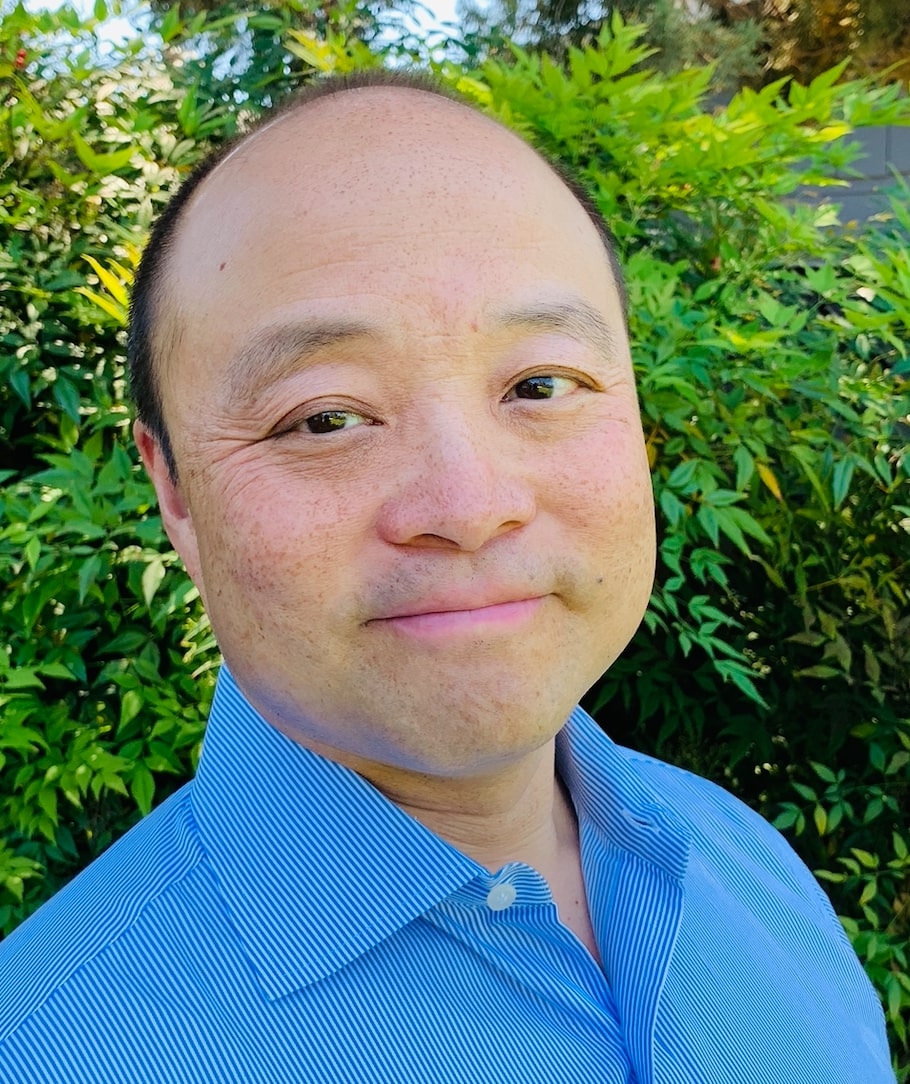
Brian Wang is a Futurist Thought Leader and a popular Science blogger with 1 million readers per month. His blog Nextbigfuture.com is ranked #1 Science News Blog. It covers many disruptive technology and trends including Space, Robotics, Artificial Intelligence, Medicine, Anti-aging Biotechnology, and Nanotechnology.
Known for identifying cutting edge technologies, he is currently a Co-Founder of a startup and fundraiser for high potential early-stage companies. He is the Head of Research for Allocations for deep technology investments and an Angel Investor at Space Angels.
A frequent speaker at corporations, he has been a TEDx speaker, a Singularity University speaker and guest at numerous interviews for radio and podcasts. He is open to public speaking and advising engagements.