
A smaller, cheaper, simpler tidal generator has been made. The new design will generate electricity whichever direction water flows through it, it has fewer parts than many turbines currently in use. This makes its build cost much lower, and reduces expensive underwater maintenance. It also means less downtime, since the generators don’t need to be moved to face the direction of the tidal flow. The prototype is also designed so that all the components are in a single package. This would make it much cheaper and easier to install, the researchers argue. They hope to have it commerialized in 5 years.
Biodiesel could be made more efficiently. The new processes work in the lab and need to be scaled up. Researchers in Iowa, have developed a nanotechnology that accurately controls the production of tiny, uniformly shaped silica particles. Running all the way through the particles are honeycombs of relatively large channels that can be filled with a catalyst that reacts with soybean oil to create biodiesel. The particles can also be loaded with chemical gatekeepers that encourage the soybean oil to enter the channels where chemical reactions take place. The results include faster conversion to biodiesel, a catalyst that can be recycled and elimination of the wash step in the production process.
Lin’s particles can also be used as a catalyst to efficiently convert animal fats into biodiesel by creating a mixed oxide catalyst that has both acidic and basic catalytic sites.
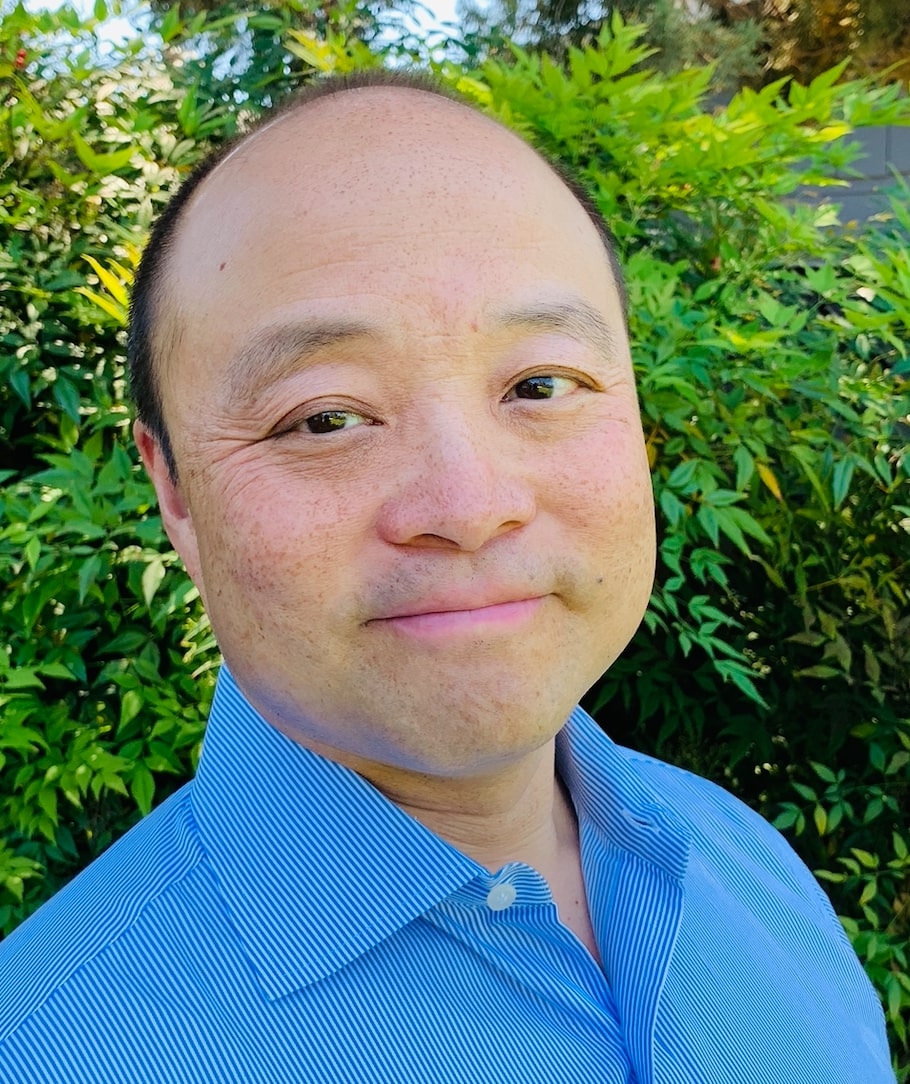
Brian Wang is a Futurist Thought Leader and a popular Science blogger with 1 million readers per month. His blog Nextbigfuture.com is ranked #1 Science News Blog. It covers many disruptive technology and trends including Space, Robotics, Artificial Intelligence, Medicine, Anti-aging Biotechnology, and Nanotechnology.
Known for identifying cutting edge technologies, he is currently a Co-Founder of a startup and fundraiser for high potential early-stage companies. He is the Head of Research for Allocations for deep technology investments and an Angel Investor at Space Angels.
A frequent speaker at corporations, he has been a TEDx speaker, a Singularity University speaker and guest at numerous interviews for radio and podcasts. He is open to public speaking and advising engagements.